FAQ
Find answers to common questions about Autopilot here.
Where can I find legal disclosures?
Disclosures, privacy policy, and advisory documents (including Form ADV where applicable) are linked in the app and on the Autopilot website. Please read them before investing.
How do I contact support?
Email support@joinautopilot.com. Include your account email and a short description of the issue (and brokerage name if it’s about linking or trades).
What are the main risks?
Markets can go down. Licensed Pilot models can underperform. Trades may be delayed, partially filled, or limited by brokerage buying power, market hours, or settlement rules. Past performance is not a guarantee of future results.
Does Autopilot store my brokerage password?
Trading access is based on authentication tokens issued when you link your account. You can revoke Autopilot’s access from your brokerage. Follow your brokerage’s security settings and enable their available protections (e.g. two-factor authentication).
Is Autopilot safe?
Autopilot uses brokerage-approved connection methods and bank-level security practices to store account-related data. Your assets remain at your brokerage. No system can eliminate investment risk or guarantee against loss.
How do I delete my account?
On iOS: Account → Account → Delete Account → confirm. If you can’t delete in-app, email support@joinautopilot.com. Deleting removes personal information as described in the Privacy Policy, subject to legally required retention.
How do I stop Autopilot from buying a specific stock?
Use blacklist / exclude controls in the app for that symbol so Autopilot won’t buy it going forward.
How do I change how much Autopilot can invest?
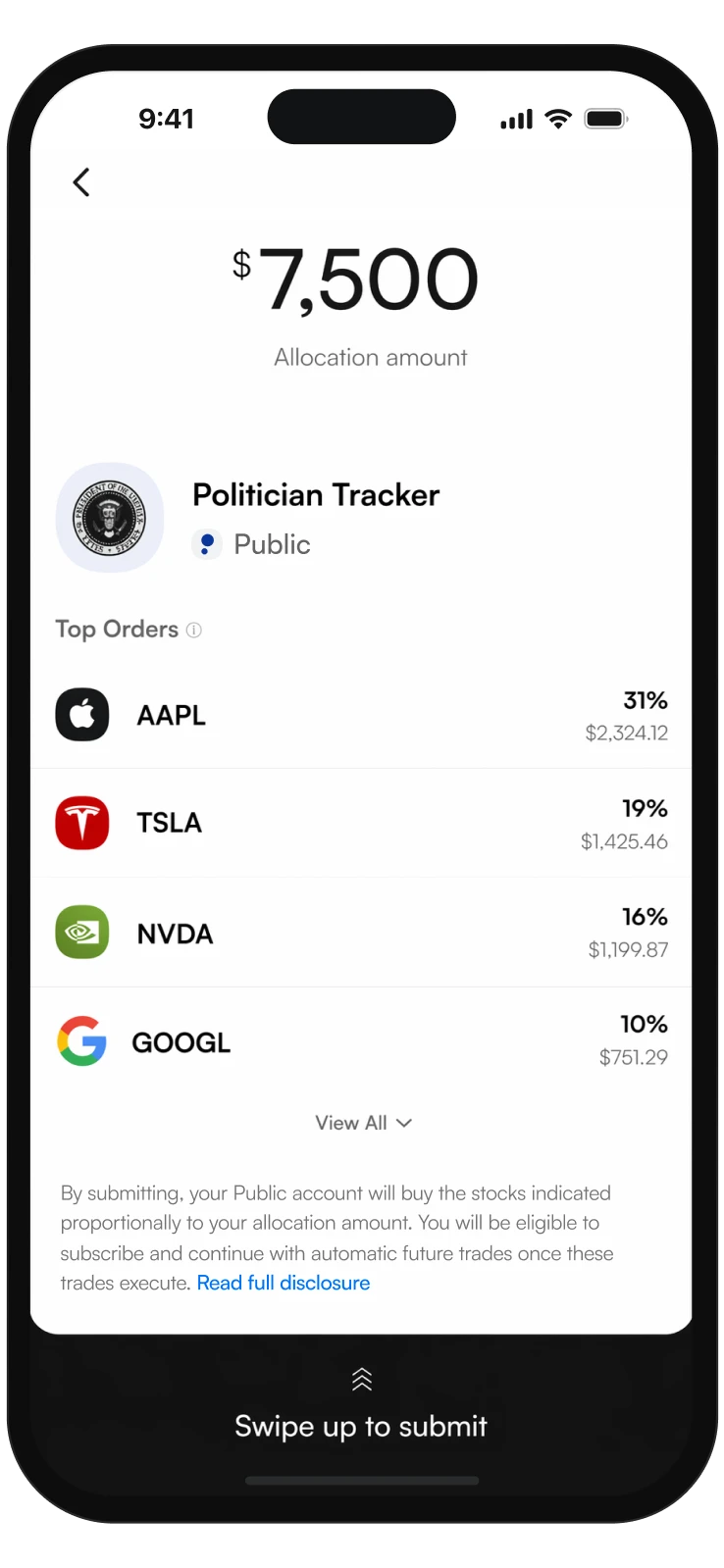
Use the allocation controls in the app for that Pilot (increase, decrease, or withdraw). Changes are reflected in trading as Autopilot rebalances within market rules and brokerage buying power.
Do I need to sign anything extra for some brokerages?
Some brokerages require an additional trading authorization (for example a limited power of attorney / RIA agreement) before Autopilot can place discretionary trades. The app will prompt you if that’s required for your connection.
What if I sell Autopilot positions manually in my brokerage?
Autopilot tries to keep your chosen allocation invested. If you sell Autopilot-managed shares by hand, Autopilot may buy again to restore the allocation. To reduce exposure, use Autopilot’s withdraw flow and/or blacklist a ticker so it won’t be rebought.
Will Autopilot sell stocks I bought myself?
Autopilot is built to manage the allocation you give it. It is not meant to liquidate your non-Autopilot holdings. Note: brokerages have their own tax-lot / accounting rules (for example FIFO), so selling the same ticker can interact with lots in ways that depend on your brokerage settings.
How does brokerage linking work?
You authenticate with your brokerage; Autopilot receives access tokens to read account data and place trades on your behalf. Tokens are refreshed securely. You can revoke access from your brokerage. Security practices are designed similarly to common account-linking providers (bank-level storage standards).
Which brokerages does Autopilot support?
Support varies over time and by account type. Connect from the app to see currently available brokerages for your account. Popular retail brokerages have been supported (for example Robinhood, Webull, Public, and others depending on current availability).
Who is responsible for Pilot performance?
Pilots build and license the model; Autopilot executes trading in your brokerage within your allocation. Markets can go down and strategies can underperform. Review Autopilot’s disclosures and Form ADV for the full legal relationship and risks.
Can I follow more than one Pilot?
Yes. Depending on your plan, you can allocate to multiple licensed Pilot model portfolios at once (subject to buying power and plan features). In the app: tap + → choose a Pilot → allocate → start.
Are Pilots giving me personalized investment advice?
No. A Pilot’s model portfolio is a general strategy licensed to Autopilot. It is not personalized advice for your individual financial situation. Autopilot uses that licensed model to trade within the allocation you set. Investing involves risk, including loss of principal, and past performance does not guarantee future results.
How do Pilots get paid?
Pilots license their model portfolios to Autopilot and receive compensation for that license (typically tied to subscribers / usage of their strategy). Exact economics can vary by Pilot and plan.
Are Pilots Autopilot employees?
No. Pilots are independent third parties. They license their model portfolios to Autopilot; they are not Autopilot employees, and following a Pilot is not the same as getting personalized advice from that individual.
What is a Pilot?
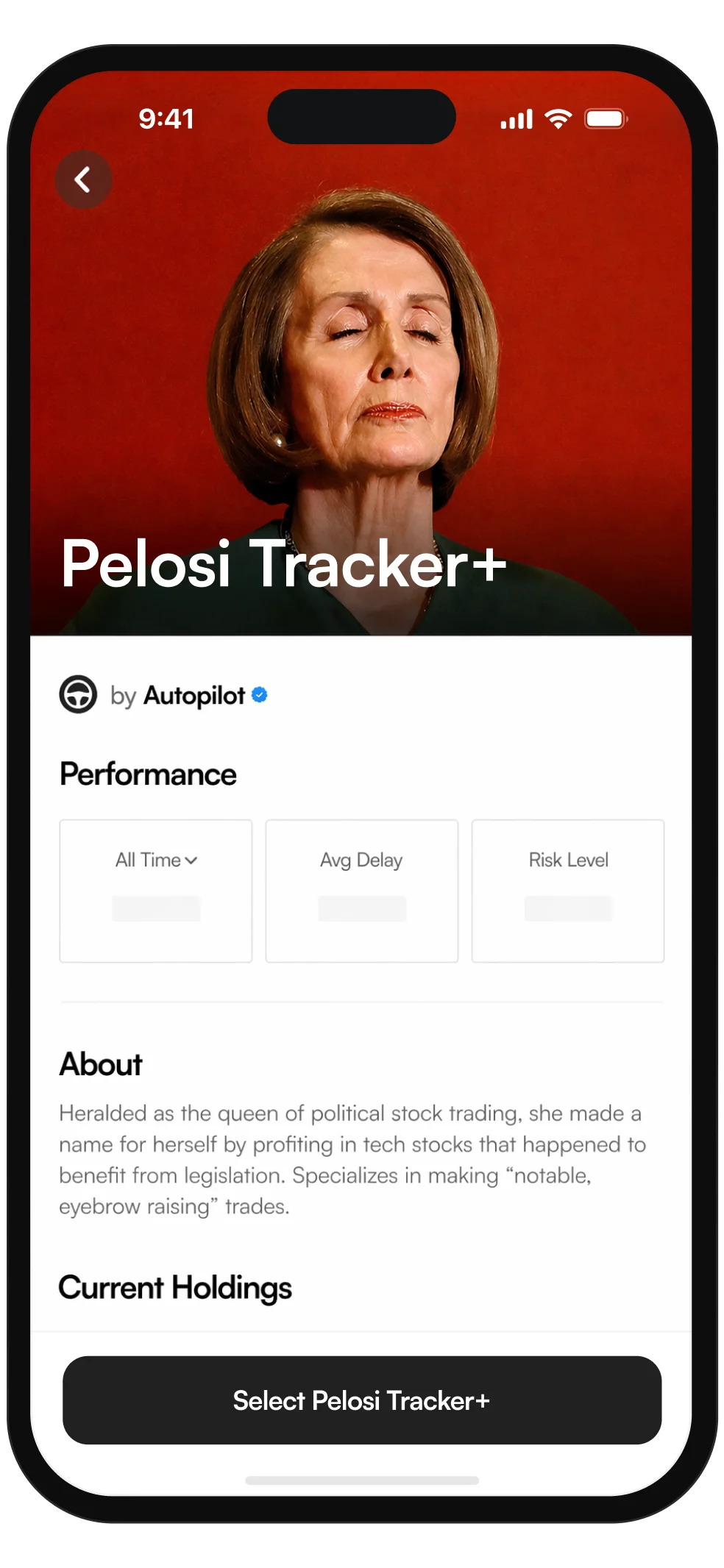
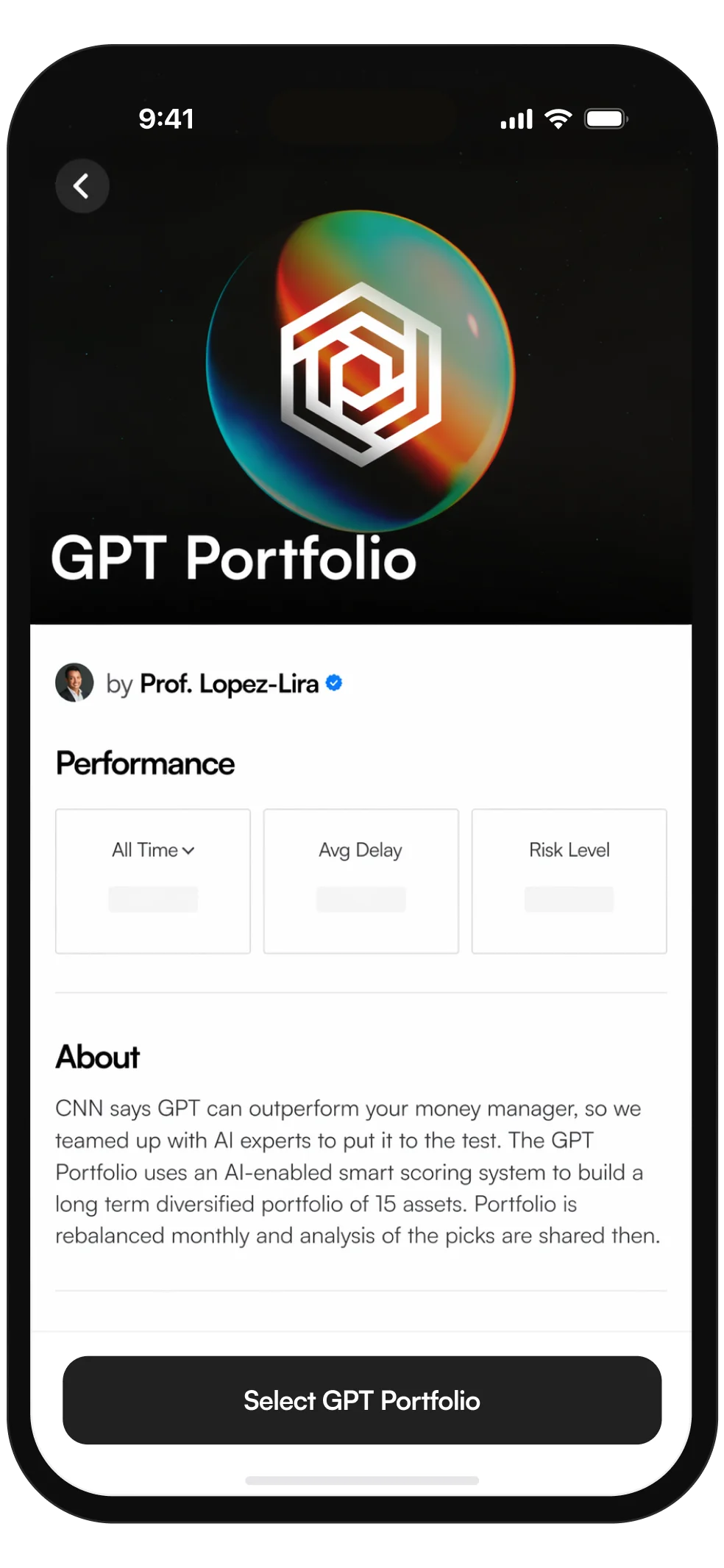
A Pilot is a third-party investor who builds a model portfolio and licenses it to Autopilot in exchange for compensation. You choose which Pilot to follow and how much of your brokerage buying power Autopilot may use to mirror that model.
What if Autopilot is waiting on funds to settle?
Some brokerages don’t make sale proceeds immediately available to buy again. In those cases Autopilot may wait until buying power is available — often the next trading day — before completing remaining buys. Behavior varies by brokerage.
How quickly do positions update when a Pilot’s model changes?
Autopilot picks up updates to the licensed model as soon as they’re available and submits trades. Fill timing depends on your brokerage and market conditions, so you may see a short delay before everything settles.
Does Autopilot trade on margin?
If your brokerage account has margin enabled, Autopilot may use margin buying power based on your Autopilot allocation and your account’s margin settings.
Does Autopilot copy short trades, crypto, or options?
No. Autopilot does not copy short positions and does not invest in crypto or options.
How does rebalancing work when a Pilot changes positions?
Autopilot aims to match your allocated portfolio proportionally to the Pilot’s model. If the Pilot adds a new holding, weights of other holdings change — Autopilot buys and sells accordingly to realign.
How does Autopilot place trades?
After you connect your brokerage, Autopilot uses secure access tokens to place buy and sell orders through your brokerage’s systems, following the Pilot’s licensed model portfolio within your allocation.
Does Autopilot move money between banks and my brokerage?
No. Linking Autopilot does not initiate bank transfers. Deposits and withdrawals still happen through your brokerage.
Why doesn’t my Autopilot value match my brokerage balance?
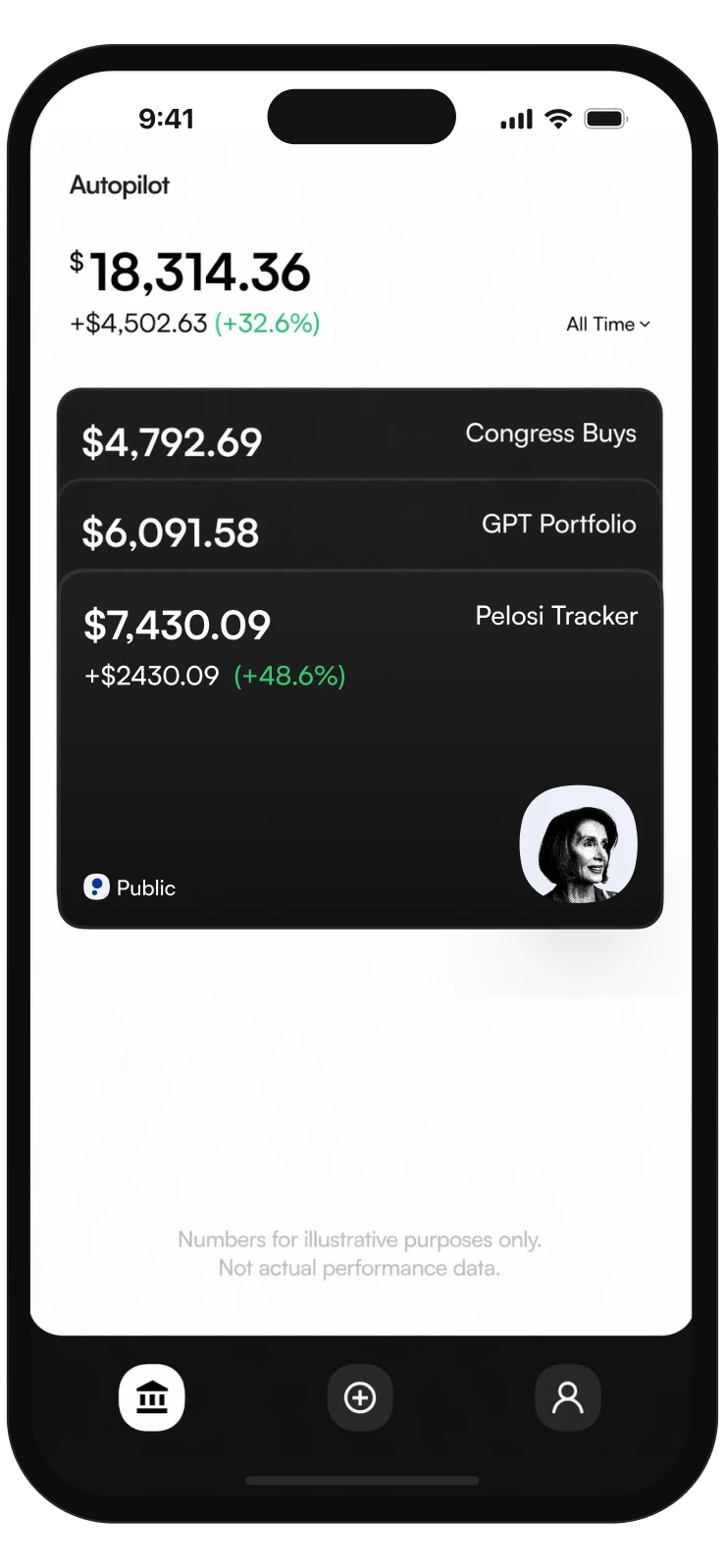
Autopilot shows the market value of positions it’s managing plus unused buying power you’ve allocated to that Pilot. It does not include stocks you hold outside Autopilot. Small gaps can also appear if Autopilot couldn’t use 100% of an allocation (for example, leftover dollars after buying shares). Large mismatches: email support@joinautopilot.com.
Where does my money go when I add it to Autopilot?
Nowhere else. Allocating money only tells Autopilot how much of your brokerage buying power it’s allowed to trade. Funds stay with your brokerage custodian. Autopilot does not hold your cash or stocks, and no bank transfer is required to “fund” Autopilot.
Can I use Autopilot if I’m outside the U.S.?
Autopilot currently focuses on U.S. brokerages. If you can’t open a U.S. brokerage account, join the international waitlist by emailing support@joinautopilot.com.
When will Autopilot start making trades?
If you set up outside market hours, trades typically start at the next open (9:30 a.m. Eastern). During market hours (9:30 a.m.–4:00 p.m. Eastern), trades can take up to about 15 minutes. If nothing has been placed after that, contact support@joinautopilot.com.
How do I get started?
- Create an Autopilot account
- Connect a supported brokerage
- Choose a strategy
- Set how much of your brokerage buying power Autopilot may use
- Confirm setup — Autopilot places trades during market hours
What is Autopilot?
Autopilot is an investing platform that lets you connect your existing brokerage account and allocate money to follow model portfolios. Model portfolios are built either in-house or licensed from third-party creators called Pilots. Autopilot then buys and sells in your brokerage to keep your allocated money aligned with the strategy you choose. Your cash and investments stay at your brokerage — Autopilot does not take custody of your funds.